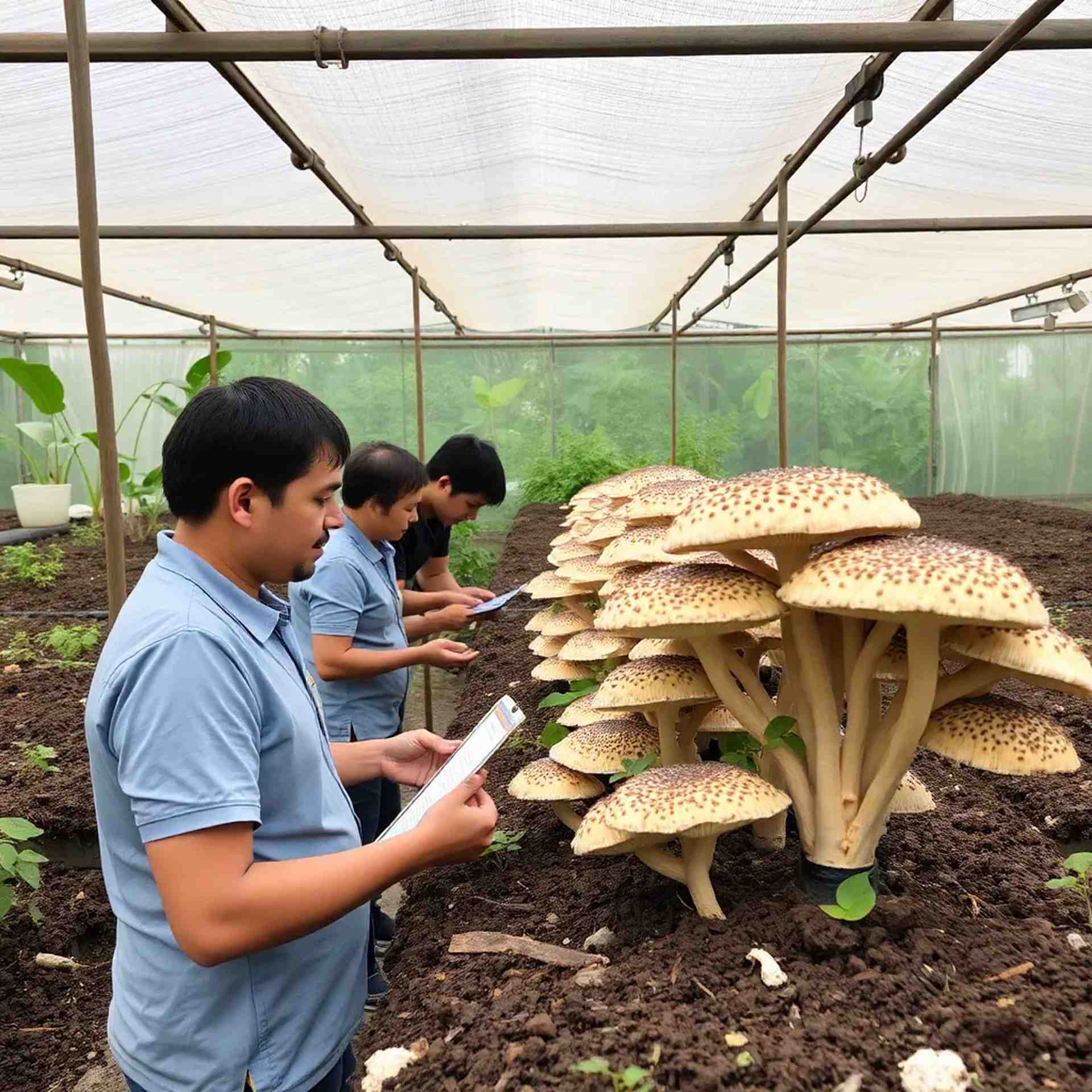
Mastering Oyster Mushroom Cultivation in Malaysia's Humid Climate
Malaysia's tropical climate presents unique challenges and opportunities for oyster mushroom cultivation. High humidity and consistent temperatures create ideal conditions, but proper ventilation and contamination control become critical success factors.
Understanding how to leverage natural climate advantages while mitigating risks like bacterial contamination and poor air circulation can dramatically improve your cultivation success rate. The key lies in substrate moisture management and strategic timing of fruiting cycles to avoid excessive condensation during heavy rain periods.
Key Growing Parameters for Malaysian Climate:
- Optimal substrate moisture: 60-65% (lower than temperate recommendations)
- Fruiting temperature: 25-28°C (naturally maintained year-round)
- Enhanced ventilation: 3-4 air exchanges per hour minimum
- Humidity management: 85-90% during pinning, 80-85% during fruiting
Our research with over 300 Malaysian cultivators shows that those who adapt international growing protocols to local conditions achieve 40% higher yields compared to following standard temperate-climate guidelines. The monsoon season requires special attention to air movement and spawn run timing.
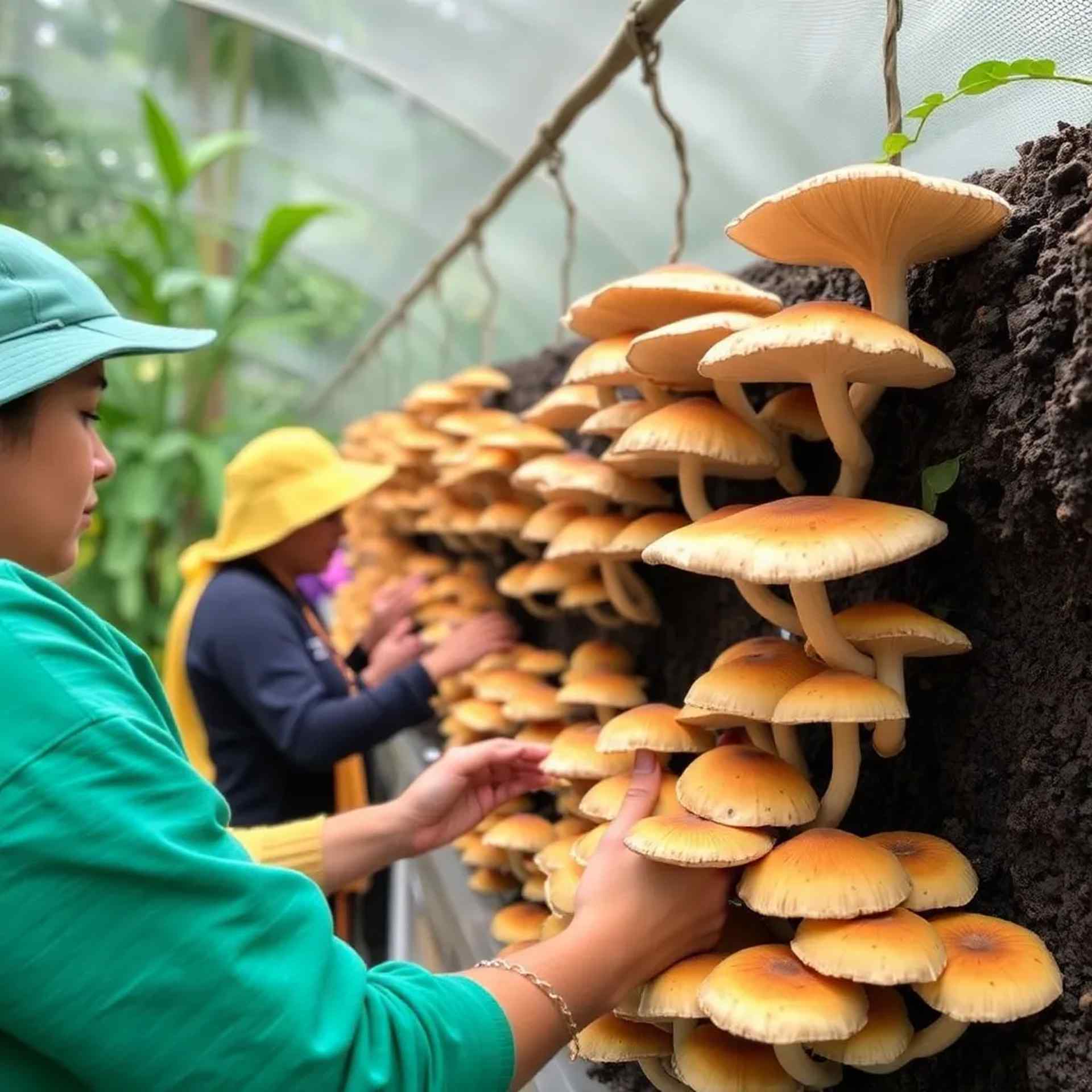
Local Substrate Materials: Achieving Premium Results with Malaysian Agricultural Waste
One of Malaysia's greatest advantages in mushroom cultivation is the abundant availability of agricultural waste materials perfect for substrate preparation. Palm oil industry byproducts, rubber tree sawdust, rice straw, and oil palm fronds provide excellent, cost-effective growing media.
Traditional substrate recipes developed in China, Europe, or North America often specify materials difficult to source locally. Our extensive testing has developed optimized formulations using readily available Malaysian materials that match or exceed the performance of imported substrates at a fraction of the cost.
Proven Malaysian Substrate Formulations:
Formula 1 - Oyster Mushroom Master Mix:
- 50% rubber tree sawdust
- 30% palm kernel cake
- 15% rice bran
- 5% calcium carbonate
- Moisture: 62-65%
Formula 2 - Shiitake Excellence Blend:
- 70% rubber tree sawdust
- 20% rice bran
- 8% wheat bran
- 2% gypsum
- Moisture: 58-62%
Cost analysis shows that cultivators using these local formulations reduce substrate costs by 60-75% compared to imported materials while achieving superior colonization speeds due to fresh material quality. The key is establishing reliable supplier relationships with palm oil mills and rubber processing facilities.
From Hobby to Profit: Building a Sustainable Mushroom Business in Southeast Asia
The mushroom cultivation industry in Southeast Asia is experiencing explosive growth, with market demand consistently outpacing supply. Malaysia's strategic position, favorable climate, and increasing health consciousness among consumers create ideal conditions for commercial cultivation ventures.
However, transitioning from hobby growing to profitable commercial operation requires careful planning, financial discipline, and understanding of market dynamics. Our graduate network includes over 200 successful commercial operations, and their collective experience provides valuable insights for aspiring mushroom entrepreneurs.
Critical Success Factors for Commercial Operations:
1. Scale Appropriately: Don't start too large. Begin with 500-1000 fruiting blocks per cycle and scale up as you master production consistency and secure reliable market channels. Premature expansion is the leading cause of business failure.
2. Market Development Before Production: Secure at least 60% of your projected output through pre-arranged sales agreements before expanding production. Restaurants, hotels, organic markets, and health food stores are excellent anchor customers.
3. Financial Realities:
- Startup capital required: RM 50,000-150,000 for serious commercial operation
- Break-even timeline: 8-14 months with proper management
- Target gross margin: 55-70% for fresh mushrooms
- Expected ROI: 30-45% annually after establishment phase
4. Diversification Strategy: Successful operations typically grow 3-4 species to spread market risk and maximize facility utilization. Oyster mushrooms provide reliable cash flow, while specialty varieties like Lion's Mane and Reishi command premium prices.
5. Value Addition: Consider processed products (dried mushrooms, powder, extracts) to capture higher margins and reduce waste. Our most successful graduates generate 30-40% of revenue from value-added products.
The Malaysian government's focus on agricultural technology and sustainable food production has created favorable conditions including training subsidies, low-interest loans, and business development support specifically for mushroom cultivation enterprises.
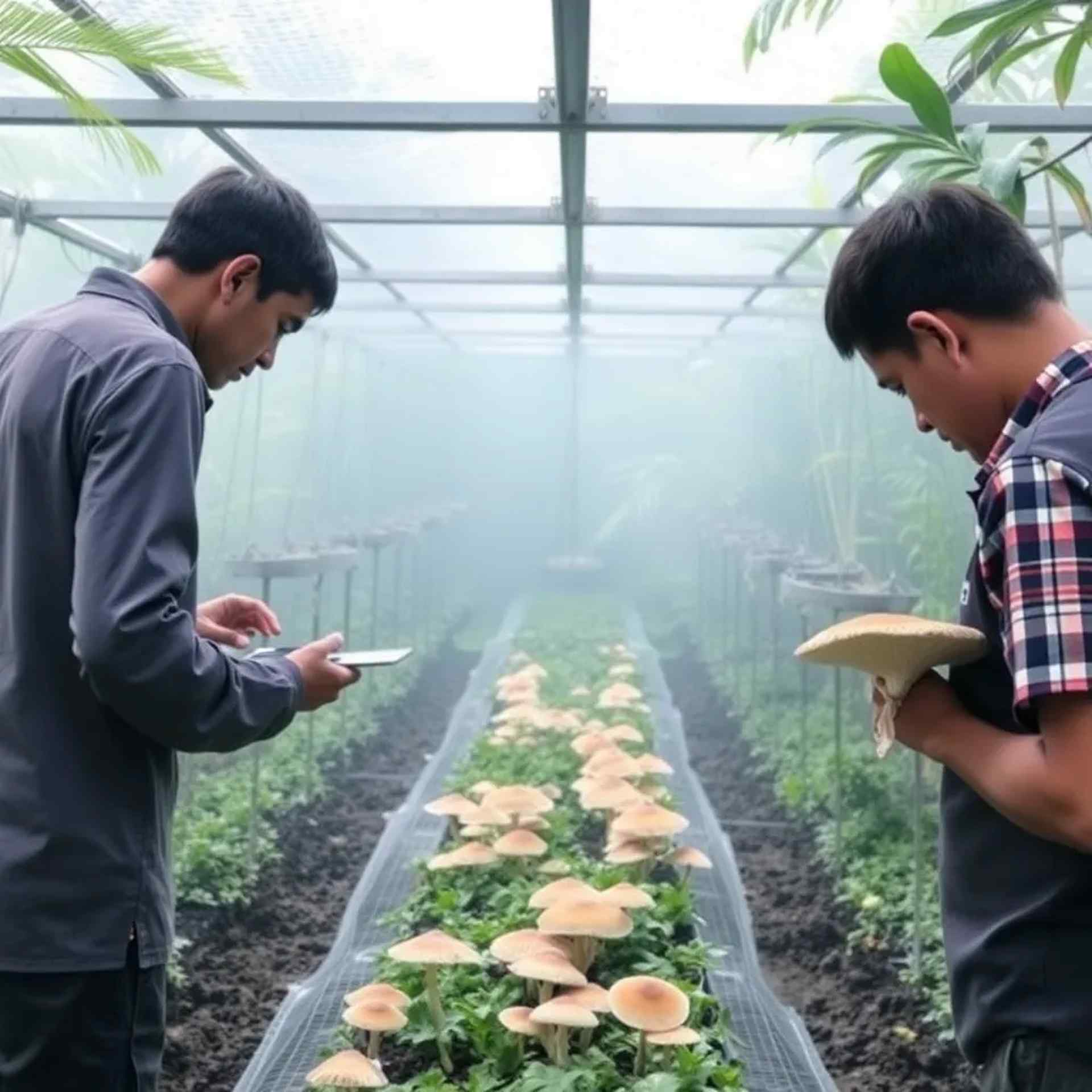
Cultivating Reishi in Tropical Climates: Adapting Traditional Techniques for Modern Success
Reishi (Ganoderma lucidum) has been revered in traditional Asian medicine for over 2,000 years. Growing demand for natural health products and scientific validation of medicinal properties have made Reishi cultivation increasingly profitable, with premium grade fruiting bodies commanding prices 10-15 times higher than common culinary mushrooms.
Malaysia's climate presents both opportunities and challenges for Reishi cultivation. While year-round warmth accelerates growth cycles, careful management of fruiting conditions is essential to produce the desired antler-shaped fruiting bodies rather than low-value conk formations.
Optimizing Reishi Production in Tropical Conditions:
Substrate Composition: Reishi thrives on hardwood substrates. Our recommended Malaysian formula uses 80% rubber tree sawdust, 18% wheat bran, and 2% gypsum. Substrate moisture should be 60-63%, slightly lower than temperate recommendations to prevent bacterial competition in tropical conditions.
Fruiting Environment Control:
- Temperature: 26-29°C (optimal for Malaysian cultivators)
- Humidity: 85-95% during initial pinning, 80-90% during development
- CO₂ levels: 1000-3000 ppm for antler formation, below 500 ppm for conk formation
- Light: 500-1000 lux, 12-hour photoperiod
Antler vs. Conk Formation: The most valuable Reishi products are the antler-shaped fruiting bodies rich in polysaccharides and triterpenes. By maintaining elevated CO₂ levels (achieved through reduced ventilation during early fruiting), you can reliably produce antler formations worth 3-4 times more than standard conks.
Harvest and Processing: Reishi is typically harvested after 60-90 days of fruiting when the edges begin to lighten in color. Immediate drying at 40-50°C preserves bioactive compounds. The Malaysian market strongly favors whole dried fruiting bodies for tea preparation and traditional medicine applications.
Market Opportunities: Premium Malaysian-grown Reishi commands RM 400-600 per kilogram for whole dried fruiting bodies, with specialty grades reaching RM 800-1,200 per kilogram. Establishing relationships with traditional Chinese medicine practitioners, health food stores, and export channels to Singapore and China significantly enhances profitability.
Contamination Prevention in Tropical Mushroom Production: A Systematic Approach
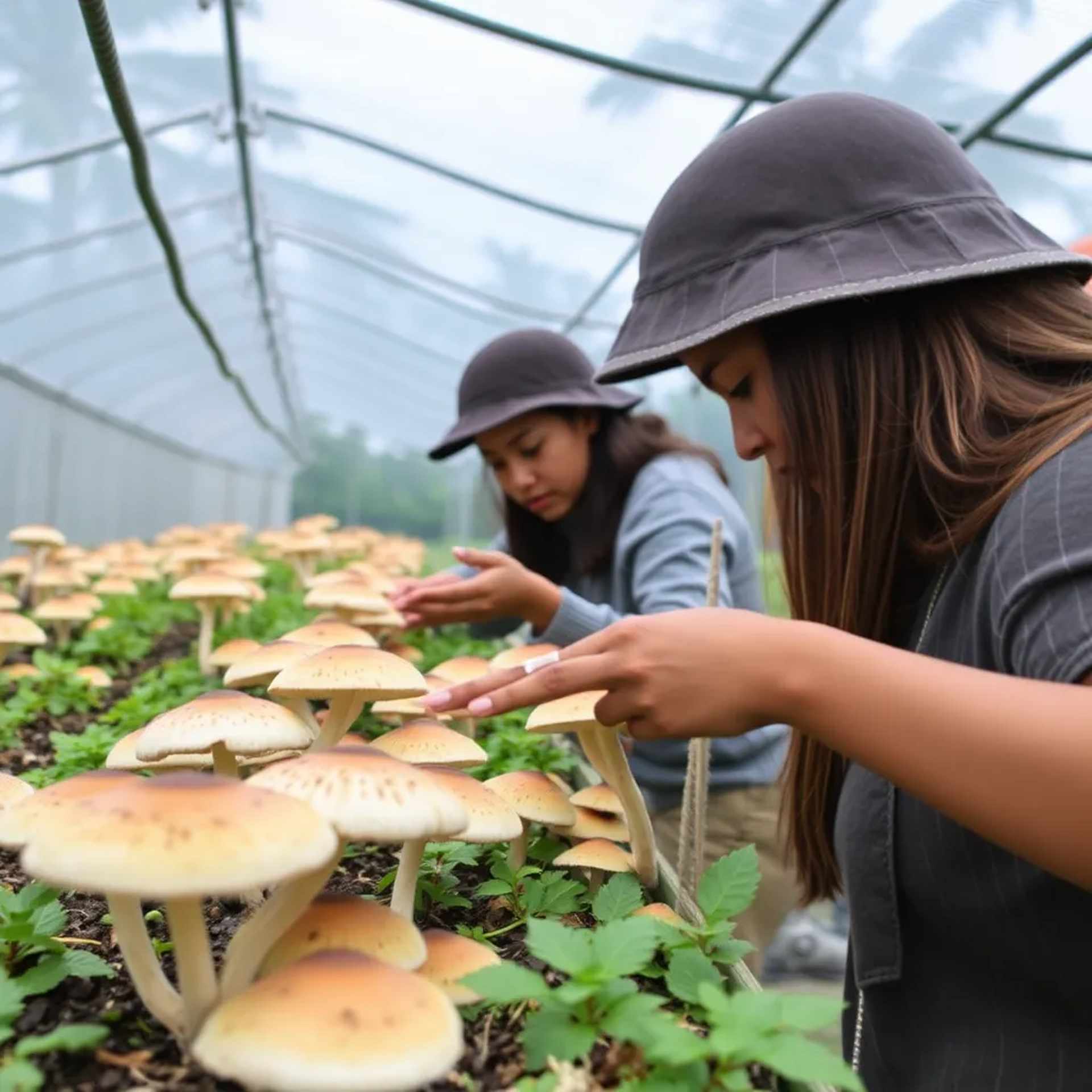
Contamination is the single largest challenge facing tropical mushroom cultivators, responsible for 60-80% of batch failures among beginners. Malaysia's high temperatures and humidity create ideal conditions not just for mushrooms, but also for competing organisms including Trichoderma, Aspergillus, and bacterial contaminants.
Success in tropical cultivation requires understanding that contamination prevention is a systematic process, not a single intervention. Every stage from substrate preparation through harvest requires specific protocols adapted to tropical conditions.
Comprehensive Contamination Control Protocol:
Stage 1 - Substrate Preparation:
- Extended sterilization: 2.5-3 hours at 121°C (longer than temperate protocols)
- Rapid cooling essential: reduce to 25°C within 6-8 hours using forced air systems
- Immediate inoculation after cooling: every hour of delay increases contamination risk by 12%
Stage 2 - Spawn Run Environment:
- Temperature control: maintain 24-26°C (avoid temperatures above 28°C which favor competitors)
- Air quality: HEPA filtration or positive pressure in inoculation areas
- Daily inspection: remove any blocks showing contamination within 24 hours
Stage 3 - Fruiting Room Hygiene:
- Weekly deep cleaning with hydrogen peroxide (3% solution)
- Maintain walls and floors free from standing water
- Separate contaminated blocks immediately to prevent spore spread
- Use dedicated clothing and footwear that never leaves the growing facility
Critical Success Factors: Our data from training programs shows that cultivators who implement systematic contamination protocols achieve 85-95% batch success rates, compared to 30-50% for those taking a reactive approach. The initial investment in proper sterilization equipment and environmental controls pays for itself within 3-4 production cycles.
Common Tropical Contaminants and Solutions: Green mold (Trichoderma) thrives in humid conditions and spreads rapidly. Prevention requires strict temperature control during spawn run and ensuring substrate pH remains above 6.5. Bacterial contamination appears as sour odor and slimy substrate, typically resulting from inadequate sterilization or excessive moisture. Black pin mold (Aspergillus) indicates poor air circulation; solution is enhanced ventilation during fruiting.
Energy-Efficient Climate Control for Malaysian Mushroom Farms
Climate control represents 35-45% of operational costs for commercial mushroom cultivation in Malaysia. With rising electricity prices, optimizing environmental systems while maintaining ideal growing conditions has become critical for profitability. Fortunately, innovative solutions adapted to tropical conditions can reduce energy consumption by 40-60%.
Unlike temperate regions where heating is the primary concern, Malaysian cultivators face the opposite challenge: maintaining optimal temperatures without excessive cooling costs. Strategic facility design and appropriate technology selection make the difference between profitable and marginal operations.
Energy-Efficient Climate Management Strategies:
1. Facility Location and Design:
- Highland locations: Farms at 600-1,200 meters elevation naturally maintain 22-26°C year-round, eliminating most cooling needs. Areas around Fraser's Hill, Cameron Highlands, and Genting Highlands offer significant advantages.
- Underground or semi-underground facilities: Earth-sheltered growing rooms maintain stable temperatures with minimal energy input. Construction costs are 25-35% higher but operational savings recover investment within 2-3 years.
- Insulation investment: High-quality insulation (R-value 4.0 or higher) reduces cooling requirements by 35-50%.
2. Cooling System Optimization:
- Evaporative cooling: In low-humidity periods, evaporative systems provide cooling at 25% of refrigerated air conditioning costs.
- Night cooling strategies: Utilize cooler night air (typically 23-25°C) to pre-cool growing rooms, reducing daytime cooling loads.
- Thermal mass: Water tanks or concrete floors absorb daytime heat and release it at night, moderating temperature swings.
3. Ventilation Efficiency: Install variable-speed fans controlled by CO₂ sensors rather than running continuously. This typically reduces ventilation energy consumption by 45-60% while maintaining optimal air quality. Strategic placement of intake and exhaust points creates natural air circulation patterns requiring less mechanical assistance.
4. Renewable Energy Integration: Solar photovoltaic systems, while requiring significant upfront investment (RM 25,000-60,000 for typical commercial operation), reduce ongoing electricity costs by 60-80%. Malaysia's tropical sun provides excellent solar resource availability, and government incentives including net metering policies improve financial returns.
Real-World Results: Case study of CigoMohave graduate Ahmad Rahman's operation in Selangor: By implementing earth-bermed construction, solar power, and optimized ventilation controls, his facility maintains ideal growing conditions while consuming 58% less energy than conventional designs. Monthly electricity costs: RM 450 for 2,000 block capacity operation, compared to industry average of RM 1,200-1,500.
Lion's Mane Cultivation: Capturing the Premium Specialty Mushroom Market
Lion's Mane (Hericium erinaceus) has emerged as one of the most profitable specialty mushrooms in Southeast Asian markets. Scientific research documenting its neuroprotective properties and cognitive benefits has driven explosive demand, with wholesale prices reaching RM 80-120 per kilogram for fresh mushrooms and RM 600-900 per kilogram for dried products.
While Lion's Mane commands premium prices, it also requires more precise environmental control than common varieties. However, Malaysian cultivators have significant advantages: year-round production capability and proximity to rapidly growing Asian markets where Lion's Mane is highly valued for both culinary and medicinal applications.
Mastering Lion's Mane Production:
Substrate Optimization for Tropical Climates: Lion's Mane prefers hardwood substrates with higher nitrogen content than most species. Our proven Malaysian formula:
- 65% hardwood sawdust (rubber tree or mixed hardwoods)
- 20% wheat bran
- 10% rice bran
- 5% gypsum and calcium carbonate
- Moisture content: 58-62%
Critical Environmental Parameters:
- Spawn run temperature: 22-24°C (requires cooling in most Malaysian locations)
- Fruiting temperature: 18-22°C (the most challenging aspect in tropical cultivation)
- Humidity: 85-95% during fruiting (high humidity favors desired spine formation)
- CO₂: below 600 ppm (excellent ventilation essential)
- Light: 500-1000 lux (indirect lighting produces best aesthetic quality)
Solving the Temperature Challenge: The primary obstacle for Malaysian Lion's Mane cultivation is maintaining 18-22°C fruiting temperatures. Three proven approaches:
1. Highland cultivation facilities: Natural temperatures in Cameron Highlands, Genting, or Fraser's Hill regions eliminate cooling costs.
2. Air-conditioned fruiting rooms: Required for lowland operations but adds RM 8-12 per kilogram to production costs. Still economically viable given premium prices.
3. Night fruiting cycles: Some cultivators successfully fruit during cooler night hours (11 PM - 7 AM) when ambient temperatures drop to 23-25°C, using supplemental cooling to reach optimal range.
Quality Factors and Market Preferences: The Malaysian and Singaporean markets strongly prefer Lion's Mane with long, pure white spines and minimal discoloration. Key quality factors:
- Spine length: 2-4 cm considered premium grade
- Color: Pure white without yellowing or browning
- Density: Compact, heavy fruiting bodies preferred
- Size: 200-400 gram individual fruiting bodies optimal for fresh market
Marketing and Distribution: Lion's Mane's premium positioning requires different marketing approaches than commodity mushrooms. Focus on health food stores, upscale restaurants, organic markets, and direct-to-consumer channels. Educating consumers about cognitive health benefits significantly improves sales conversion. Several successful Malaysian cultivators have developed subscription box services delivering fresh Lion's Mane directly to health-conscious consumers weekly.
Shiitake Success in Tropical Conditions: Breaking Traditional Growing Paradigms
Shiitake (Lentinula edodes) has long been considered challenging to cultivate in tropical regions, with conventional wisdom suggesting that consistent success requires temperate climates. However, innovative Malaysian cultivators have proven that with proper strain selection and adapted techniques, shiitake can be highly productive and profitable in tropical conditions.
The key breakthrough has been identifying warm-temperature shiitake strains developed in subtropical regions of China and Taiwan, combined with modified fruiting protocols that trigger pinning without requiring cold shock treatments impossible to achieve economically in tropical facilities.
Tropical Shiitake Cultivation Methodology:
Strain Selection Critical: Standard shiitake strains require cold shock (10-15°C) for fruiting initiation, impractical in Malaysian conditions. Warm-temperature strains fruit successfully at 18-24°C, within reach of air-conditioned fruiting rooms or natural highland temperatures. Recommended varieties include:
- Strain 3782: Fruits at 18-25°C, fast colonization, 25-day spawn run
- Tropical strain LE46: Developed specifically for Southeast Asia, fruits at 20-26°C
- Malaysian adapted variety MS-01: Selected by local cultivators, reliable 22-27°C fruiting
Modified Block Preparation: Shiitake requires denser, more nutritious substrate than oyster mushrooms:
- 80% hardwood sawdust (rubber tree excellent)
- 18% wheat bran or rice bran
- 2% gypsum
- Moisture: 55-60% (drier than oyster mushroom substrates)
- Supplementation level: 15-20% (higher protein content essential)
Blocks are typically 1.5-2.5 kg, larger than oyster mushroom blocks because shiitake requires longer colonization periods (25-35 days). Use supplemental spawn (3-5% inoculation rate) to ensure complete colonization before competitor organisms establish.
Fruiting Initiation Without Cold Shock: The critical innovation enabling tropical shiitake cultivation is alternative fruiting triggers:
1. Physical shock method: After complete colonization, soak blocks in cold water (15-18°C achievable with ice) for 12-18 hours, then subject to physical striking or dropping to simulate natural log-fall conditions. This mechanical stress combined with hydration triggers pinning.
2. Desiccation method: Allow fully colonized blocks to dry for 3-5 days (reducing weight by 15-20%), then rehydrate completely. This stress cycle mimics natural seasonal moisture variations that trigger fruiting.
3. Light shock method: Dramatic increase in light exposure (from 50-100 lux during spawn run to 1000-1500 lux during fruiting) combined with temperature reduction of just 4-5°C can trigger pinning in warm-adapted strains.
Fruiting Environment:
- Temperature: 20-24°C (achievable with air conditioning in lowlands or natural in highlands)
- Humidity: 80-90% during pinning, 75-85% during maturation
- CO₂: below 800 ppm (moderate ventilation requirements)
- Light: 1000-1500 lux, 12-14 hour photoperiod
Harvest and Quality: Malaysian-grown shiitake typically develops thinner caps than temperate-grown mushrooms but maintains excellent flavor profile and nutritional properties. Market preferences:
- Cap diameter: 5-8 cm considered premium size
- Veil intact: Harvest just before or as veil breaks for best quality
- Color: Dark brown to golden brown depending on strain
- Stem length: 2-3 cm preferred for fresh market
Economic Performance: Tropical shiitake cultivation requires higher investment in climate control (RM 15-20 per kilogram production cost) but commands premium prices (RM 40-60 per kilogram wholesale, RM 70-100 per kilogram retail) that justify the investment. Successful operations typically achieve 600-800 grams of fresh shiitake per 2 kg block over 2-3 flushes.
Marketing Fresh Mushrooms: Building Profitable Distribution Channels in Malaysia
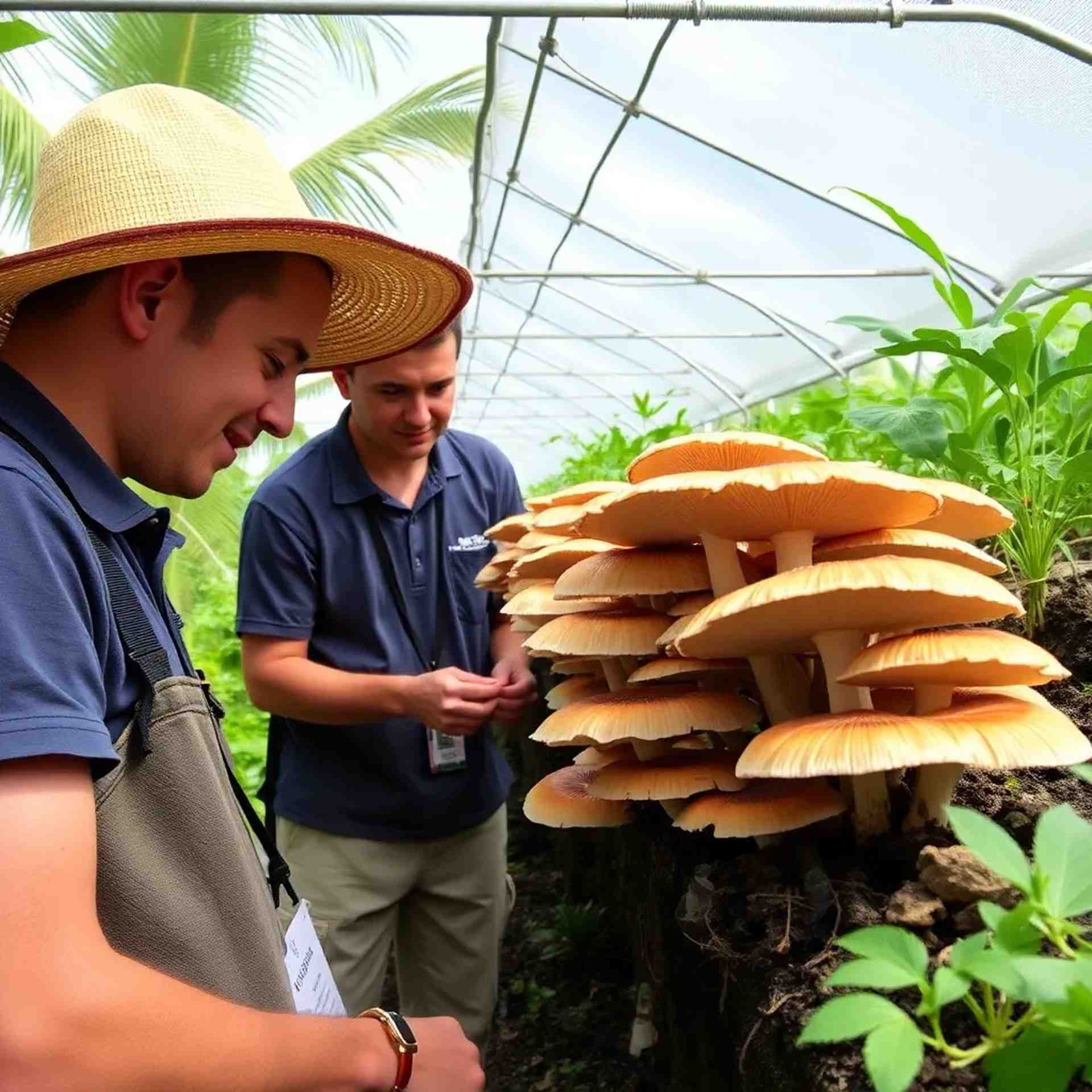
The most perfectly cultivated mushrooms are worthless without effective distribution channels. Many technically competent cultivators struggle financially because they haven't developed systematic approaches to marketing and sales. Success requires treating market development with the same rigor as cultivation protocols.
Malaysia's mushroom market is characterized by inconsistent supply, making reliable producers extremely valuable to buyers. Cultivators who establish reputation for quality and consistency quickly build loyal customer bases willing to pay premium prices and provide advance orders that stabilize cash flow.
Proven Distribution Channel Strategies:
1. Restaurant and Hotel Direct Sales: The highest-margin channel (RM 35-70 per kilogram depending on species) with immediate payment and consistent demand. Target strategy:
- Start with 15-20 mid-range restaurants, deliver 2-5 kg weekly to each
- Focus on establishments featuring healthy, organic, or Asian fusion cuisine
- Provide recipes and preparation tips to chefs
- Offer consistent pricing and reliable weekly delivery schedule
- Once established, expand to hotel kitchens (larger volumes, institutional pricing)
Success tip: Many CigoMohave graduates report that personally visiting restaurants during slow periods (2-4 PM) with fresh samples results in 40-50% conversion rate to regular customers.
2. Organic Markets and Health Food Stores: Growing channel with environmentally conscious consumers willing to pay premium prices (RM 40-80 per kilogram retail):
- Weekly farmers markets in Bangsar, Mont Kiara, TTDI, Damansara Heights
- Organic food stores: Ben's Independent Grocer, Village Grocer organic sections, Jaya Grocer
- Health food chains increasingly receptive to local suppliers
- Direct customer interaction builds brand loyalty and provides market feedback
3. Wholesale to Wet Markets and Distributors: Highest volume but lowest margins (RM 18-35 per kilogram). Best used to absorb production beyond direct sales capacity rather than primary channel. Key considerations:
- Payment terms typically 30-45 days (cash flow challenge for small operations)
- Price pressure intense; focus on volume rather than premium quality
- Useful outlet for B-grade mushrooms and excess production
4. Direct-to-Consumer and Subscription Services: Emerging high-potential channel enabled by digital platforms:
- Instagram and Facebook marketing reaches health-conscious consumers
- Weekly subscription boxes (1-2 kg mixed varieties) generate predictable revenue
- Delivery via GrabExpress or Lalamove keeps logistics simple
- Premium pricing justified by freshness (same-day harvest) and convenience
- Lower customer acquisition cost than traditional retail
Case study: Graduate Jennifer Ng developed Instagram following of 2,800 subscribers over 8 months, now maintains 120 weekly subscription boxes at RM 35 each (RM 4,200 weekly guaranteed revenue) plus additional ad-hoc orders. Total marketing investment: RM 1,500 in professional photos and RM 300 monthly in targeted social media promotion.
5. Value-Added Products: Extends shelf life and captures higher margins:
- Dried mushrooms: 8:1 concentration ratio, 12-month shelf life, RM 400-800 per kilogram retail
- Mushroom powder: Growing demand for supplementation, RM 600-1,200 per kilogram
- Mushroom seasoning blends: Retail RM 20-35 for 100g packages
- Ready-to-cook mushroom kits: Educational products with premium pricing
Optimal Channel Mix: Successful operations typically develop diversified distribution: 40% direct restaurant/hotel sales, 30% farmers markets and retail, 20% subscription and direct-to-consumer, 10% wholesale. This balance maximizes margins while providing volume outlets for production flexibility.
Circular Economy in Mushroom Cultivation: Maximizing Sustainability and Profitability
Mushroom cultivation embodies circular economy principles: converting agricultural waste into valuable food products while generating byproducts useful for other agricultural applications. Forward-thinking Malaysian cultivators are discovering that spent mushroom substrate and other byproducts can generate significant additional revenue streams while enhancing environmental sustainability.
Traditional approaches view spent substrate as waste requiring disposal. Modern integrated operations recognize it as a valuable resource commanding RM 50-200 per ton depending on end-use application. This perspective shift transforms a cost center into a profit center while strengthening the sustainability story that resonates with premium market segments.
Circular Economy Integration Strategies:
Spent Substrate Applications and Markets:
1. Premium composting and soil amendment: Spent mushroom substrate is rich in beneficial microorganisms, partially decomposed organic matter, and essential plant nutrients. Applications include:
- Organic vegetable growers: RM 100-150 per ton for certified organic spent substrate
- Home gardeners: Packaged in 5-10 kg bags, retail RM 8-15 per bag (equivalent to RM 800-1,500 per ton)
- Landscaping companies: Bulk sales RM 60-80 per ton for soil improvement projects
- Urban farming operations: Premium prices for mushroom-enhanced growing media
2. Livestock feed supplement: Spent substrate retains 60-70% of original nutritional value and contains beneficial fungi that aid animal digestion:
- Goat and sheep farmers: RM 80-120 per ton as feed supplement (10-15% of feed ration)
- Chicken feed: RM 100-150 per ton for free-range operations
- Fish farm applications: Processed into pellet feed components
3. Vermicomposting input: Earthworm farms pay premium prices (RM 150-200 per ton) for spent substrate as worm bed material and food source. The partially decomposed substrate is ideal for worm cultivation, and this creates perfect partnership opportunities with vermiculture operations.
4. Biogas production: Large-scale operations (10+ tons weekly substrate production) can integrate anaerobic digesters to generate biogas for heating and electricity. While requiring significant capital investment (RM 80,000-200,000), this approach eliminates energy costs while producing liquid digestate valuable as fertilizer.
Integration with Other Agricultural Systems:
Several CigoMohave graduates have developed highly profitable integrated farming systems that maximize resource utilization:
Case Study - Integrated Mushroom-Vegetable Operation: Graduate Siti Rahman operates a 2-hectare integrated facility in Selangor combining mushroom cultivation with organic vegetable production. Spent mushroom substrate flows directly to vegetable growing beds, eliminating substrate disposal costs while reducing fertilizer expenses by RM 3,000-4,000 monthly. The vegetables are marketed together with fresh mushrooms as an organic produce bundle, commanding premium prices. Total operation generates RM 45,000-55,000 monthly revenue with profit margins of 48-55%.
Case Study - Mushroom-Black Soldier Fly System: Graduate David Chen developed innovative integration with black soldier fly larvae (BSFL) production. Spent substrate and mushroom production waste feeds BSFL colonies, producing high-protein animal feed while larvae convert waste into valuable frass (larvae castings) used as premium fertilizer. The system achieves near-zero waste while generating three revenue streams: fresh mushrooms, BSFL protein (sold to fish farms at RM 8-12 per kilogram), and organic fertilizer (RM 15-20 per kilogram retail). Monthly gross revenue: RM 38,000 from integrated 1,500-block mushroom operation.
Environmental Certification and Marketing Benefits:
Cultivators implementing comprehensive circular economy systems can pursue environmental certifications that unlock premium market access:
- MyOrganic certification enables premium pricing (15-25% higher wholesale prices)
- Zero-waste operations attract corporate buyers with sustainability mandates
- Environmental story enables direct marketing to affluent, environmentally-conscious consumers
- Partnership opportunities with eco-resorts, sustainable restaurants, green hotels
Financial Impact: Analysis of 15 CigoMohave graduate operations shows that those implementing circular economy principles achieve 25-40% higher overall profitability compared to conventional operations. Additional revenue from spent substrate and integrated systems typically adds RM 3,000-8,000 monthly to small-medium scale operations (1,000-3,000 blocks), while dramatically improving environmental performance and brand positioning.
The future of mushroom cultivation in Malaysia lies not in maximizing production of a single product, but in developing integrated systems that capture value from every input and output while demonstrating environmental leadership. These approaches align perfectly with government priorities for sustainable agriculture and create defensible competitive advantages in increasingly crowded markets.